How Do Solar Panels Work? A Complete Beginner’s Guide
Solar energy has become one of the most popular renewable energy sources for homes and businesses around the world. As electricity costs continue to rise and environmental concerns increase, more homeowners are considering solar panels as an alternative way to generate electricity.
But how do solar panels actually work? How can sunlight be converted into electricity that powers household appliances, lighting, air conditioners, and other electrical equipment?
Understanding how solar panels work can help you make better decisions when choosing a solar power system. In this beginner’s guide, we will explain how solar panels generate electricity, the main components of a solar power system, and the benefits of using solar energy.
What Are Solar Panels?
Solar panels are devices designed to convert sunlight into usable electrical energy. They are made up of multiple smaller units called photovoltaic (PV) cells, which generate electricity when exposed to sunlight.
Most modern solar panels use silicon-based photovoltaic cells. Silicon is a semiconductor material that can absorb sunlight and help produce an electrical current.
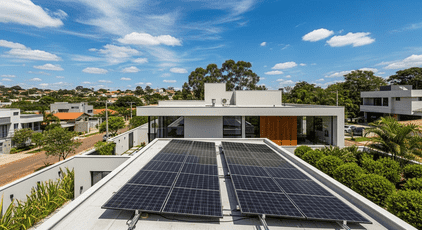
Solar panels are commonly installed on rooftops, commercial buildings, industrial facilities, and open areas where they can receive direct sunlight.
The electricity generated by solar panels can be used immediately, stored in batteries, or supplied to the electrical grid, depending on the type of solar power system.
How Do Solar Panels Work?
Solar panels work through a process called the photovoltaic effect. This process allows solar cells to convert sunlight directly into electricity.
Here is how the process works step by step:
1. Sunlight Reaches the Solar Panels
The process begins when sunlight reaches the surface of a solar panel. Sunlight contains tiny energy particles called photons.
When these photons strike the photovoltaic cells inside the solar panel, they transfer energy to the silicon material.
2. Photovoltaic Cells Generate Electricity
The absorbed energy causes electrons inside the silicon cells to become energized and move.
Solar cells are designed with electrical properties that help direct this movement of electrons, creating an electric current.
This process produces direct current (DC) electricity.
3. The Inverter Converts DC Into AC Electricity
Most household appliances operate using alternating current (AC) electricity, while solar panels generate direct current.
A solar inverter solves this problem by converting DC electricity into AC electricity.
The inverter is an essential component of a solar power system because it makes the electricity generated by solar panels suitable for everyday household use.
4. Electricity Powers Your Home
After conversion, the electricity can be supplied to your home’s electrical distribution system.
It can power lights, refrigerators, televisions, computers, air conditioners, washing machines, and other electrical appliances.
If your solar panels produce more electricity than your home needs, the extra energy may be stored in batteries or exported to the electricity grid, depending on your system configuration and local regulations.
Main Components of a Solar Power System
A complete solar power system contains several components that work together to generate, convert, manage, and distribute electricity.
1. Solar Panels
Solar panels capture sunlight and convert it into DC electricity. Their output depends on factors such as panel efficiency, sunlight availability, temperature, orientation, and shading.
2. Solar Inverter
The inverter converts DC electricity from solar panels into AC electricity for household or commercial use.
Common inverter types include string inverters, microinverters, and hybrid inverters.
3. Solar Batteries
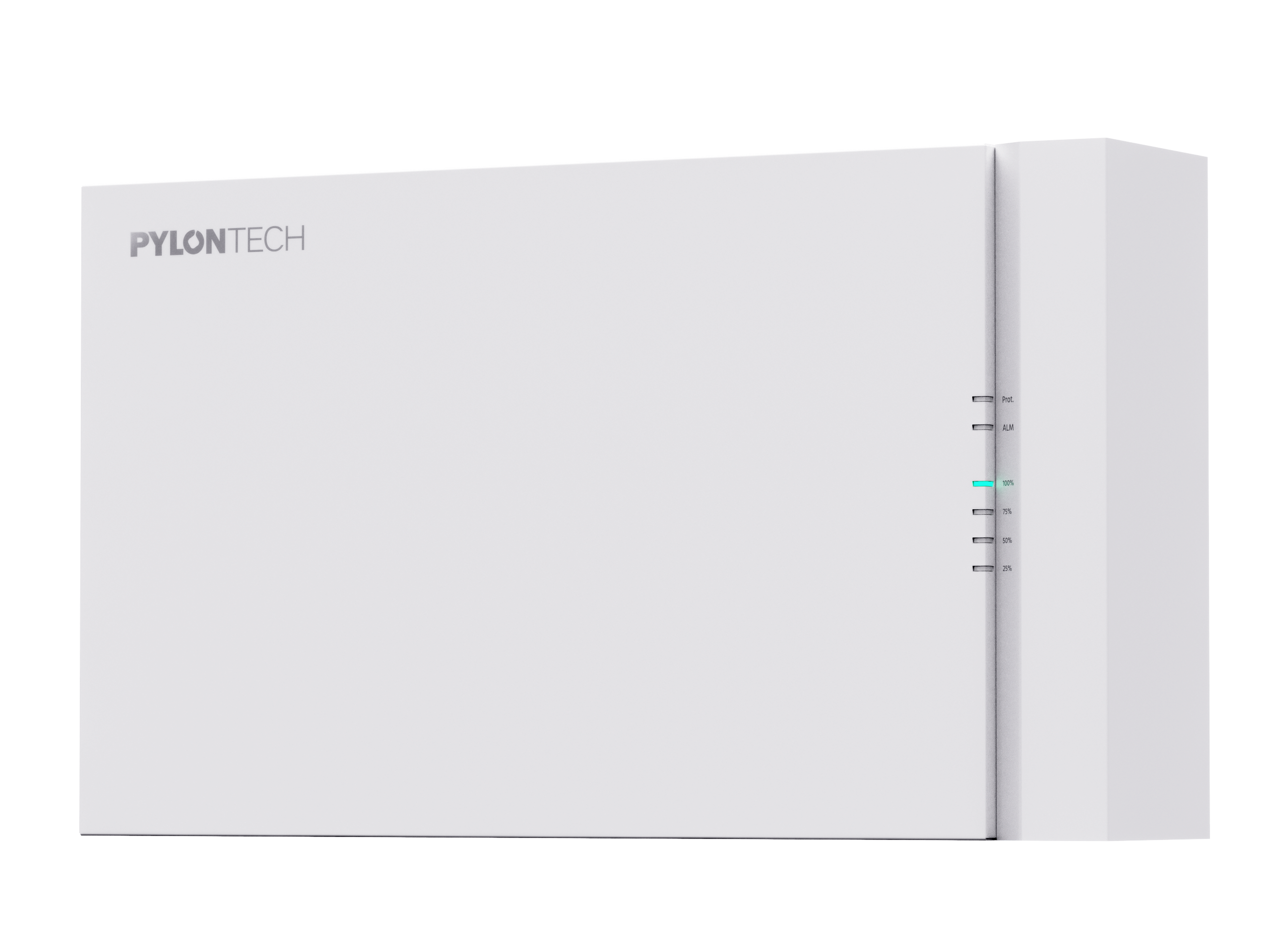
Solar batteries store excess electricity generated during sunny hours.
This stored energy can be used at night, during periods of low solar production, or during power outages when the system is designed to provide backup power.
4. Mounting Structure
Mounting structures hold solar panels securely in position. They are installed on rooftops or ground-based systems and help provide the correct panel orientation and tilt.
5. Electrical Protection Equipment
Solar systems require appropriate electrical protection equipment, including circuit breakers, isolators, surge protection devices, grounding, and correctly rated wiring.
These components help protect the installation and support safe system operation.
Types of Solar Power Systems
Before installing solar panels, it is important to understand the main types of solar power systems.
On-Grid Solar System
An on-grid solar system is connected to the local electricity grid.
During the day, solar panels generate electricity for your property. Additional electricity may be exported to the grid under applicable utility arrangements.
When solar production is insufficient, electricity can be drawn from the grid.
This system generally does not provide backup power during a grid outage unless it includes specifically designed backup equipment.
Off-Grid Solar System
An off-grid solar system operates independently of the public electricity grid.
It typically uses solar panels, batteries, an inverter, and sometimes a backup generator.
This system is useful for remote properties where grid electricity is unavailable or unreliable.
Battery capacity and system design are particularly important because electricity must be available when sunlight is insufficient.
Hybrid Solar System
A hybrid solar system combines solar panels, battery storage, and a connection to the electricity grid.
It can supply electricity from solar panels, charge batteries, and use grid electricity when necessary.
Some hybrid systems can also provide backup power during outages, depending on their inverter, battery, and electrical configuration.
Benefits of Installing Solar Panels
Solar energy offers several advantages for residential and commercial electricity users.
1. Reduced Electricity Bills
Solar panels can reduce the amount of electricity purchased from the utility company. Actual savings depend on electricity rates, solar production, energy consumption, and local compensation policies.
2. Renewable Energy Source
Sunlight is a renewable energy resource. Generating electricity from solar panels can reduce dependence on conventional fossil-fuel-based electricity.
3. Lower Environmental Impact
Solar electricity produces no direct greenhouse gas emissions during operation. It can help reduce the environmental impact associated with electricity generation.
4. Energy Independence
A properly designed solar system with battery storage can reduce reliance on the electricity grid and provide additional energy flexibility.
5. Long-Term Investment
Solar panels are designed for long-term operation. Many manufacturers provide performance warranties of around 25 years, although product warranties and actual system lifetimes vary.
Factors to Consider Before Installing Solar Panels
Choosing the right solar power system requires careful planning.
Consider these important factors before installation:
- Electricity consumption: Review your monthly electricity bills to understand your average energy usage.
- Roof condition: Make sure your roof is structurally suitable for solar panel installation.
- Available sunlight: Check whether nearby trees, buildings, or other structures create shading.
- Panel efficiency: Compare solar panel efficiency, power output, warranties, and manufacturer reliability.
- Inverter capacity: Select an inverter appropriate for the solar array and your electricity requirements.
- Battery storage: Determine whether you need backup electricity or want to store excess solar energy.
- Installation quality: Choose qualified solar installers who follow applicable electrical and building codes.
A professional solar assessment can help determine the appropriate system size and expected electricity production.
Are Solar Panels Worth Installing?
Solar panels can be a worthwhile investment for homeowners and businesses with suitable installation conditions and favorable electricity economics.
However, the financial benefits depend on several factors, including installation costs, local electricity prices, available incentives, solar exposure, system efficiency, and maintenance requirements.
Before purchasing a system, compare installation quotations, review equipment warranties, and estimate the expected payback period.
A properly designed solar power system can provide reliable electricity generation for many years.
Frequently Asked Questions About Solar Panels
1. Do Solar Panels Work on Cloudy Days?
Yes. Solar panels can generate electricity on cloudy days because some sunlight still reaches their photovoltaic cells. However, electricity production is generally lower than on clear, sunny days.
2. Can Solar Panels Generate Electricity at Night?
No. Solar panels require sunlight to generate electricity. However, a solar battery can supply stored electricity at night.
3. How Long Do Solar Panels Last?
Many modern solar panels are designed to operate for 25 years or longer. Their electricity production gradually decreases over time, depending on product quality and operating conditions.
4. Do Solar Panels Require Maintenance?
Solar panels generally require relatively little maintenance. Periodic inspections and cleaning when necessary can help maintain their performance.
5. Can Solar Panels Power an Entire House?
Yes. A properly sized solar power system can supply a significant portion or even all of a home’s electricity needs over time. The required system size depends on energy consumption, sunlight availability, battery storage, and grid connection.
Final Thoughts
Solar panels provide an effective way to convert sunlight into usable electricity. By understanding the photovoltaic process, solar inverters, battery storage, and different system configurations, homeowners can make more informed decisions about solar energy.
Whether you are considering an on-grid, off-grid, or hybrid solar system, proper planning and professional installation are essential for achieving reliable performance.
As solar technology continues to improve, solar power remains an important part of the transition toward cleaner and more sustainable electricity.